

Aortic Surgeries in Thane

Have you ever wondered whether chest pressure that comes and goes could be something more?
Or why breathlessness appears even on days when you’re not physically active?
Aortic conditions are being diagnosed more frequently worldwide. Global data shows that thoracic aortic aneurysms affect nearly 6–10 people per 100,000 annually, and in India, rising lifestyle-related factors are contributing to a noticeable increase in cardiac and vascular issues.

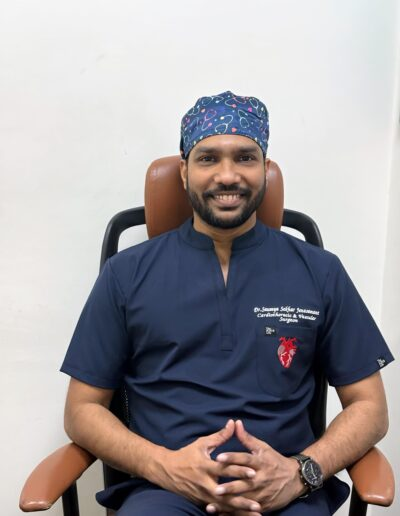
This is where skilled medical guidance becomes essential. Dr. Saumya Sekhar, an accomplished Cardiac Surgeon in Thane, brings extensive expertise in complex aortic and cardiac conditions. As he explains:
“Aortic diseases often give minimal warning before they become serious. People tend to overlook early symptoms because they seem harmless. Timely evaluation not only helps detect the problem but also provides a wider range of treatment choices, which greatly improves outcomes.”
Feeling unsure about recent heart-related symptoms? Consult a cardiac specialist to understand what your body may be signaling and explore your treatment options.
Wondering how to identify the buildup of heart stress before it becomes severe? Let’s look at the kind of red flags people often miss—but shouldn’t.
Warning Symptoms That Should Not Be Ignored
Even mild discomfort can sometimes signal a deeper cardiac issue. Here are common warning signs linked to aortic and coronary conditions:

Persistent chest pressure or heaviness
especially when it radiates to the back or jaw
Sudden shortness of breath
often mistaken for anxiety or fatigue
Unexplained upper back pain
a possible sign of aortic involvement
Severe fatigue without reason
especially if it worsens over time
Rapid heartbeat or palpitations
a clue that the heart is overworking
Dizziness or fainting episodes
can occur when blood flow is compromised
Sharp abdominal pain
occasionally tied to abdominal aortic issues
So, how exactly do specialists figure out what’s going on inside the aorta? Here’s what the assessment journey typically looks like.
Step-by-Step Assessment for Aortic Conditions
Evaluating aortic problems requires accuracy and a structured approach. Here’s how specialists usually assess these conditions:
Detailed Medical History
Understanding symptoms, lifestyle factors, and family history helps assess overall risk.
Physical Examination
Doctors look for signs like abnormal pulses, murmurs, or unusual blood pressure variations.
Diagnostic Imaging
Tests like CT scans, MRIs, echocardiograms, or Doppler studies provide a detailed view of the aorta
Cardiac Function Tests
Stress tests and ECGs help determine how well the heart handles pressure.
Risk Stratification
Combining findings, specialists determine whether surgery, medical management, or monitoring is required.
If any of these symptoms sound familiar, don’t wait for them to intensify. Speak to a qualified cardiac professional who can guide you through the next steps.
So, how exactly do specialists figure out what’s going on inside the aorta? Here’s what the assessment journey typically looks like.
Aortic Surgeries Treatments
Aortic surgeries vary depending on the location, severity, and cause of the condition. Here are commonly recommended procedures:

Aortic Aneurysm Repair
Removes weakened portions of the aorta and replaces them with graft material.
Aortic Dissection Surgery
Urgent intervention to prevent rupture by reinforcing the affected segment.
Aortic Valve Repair or Replacement
Addresses valve-related narrowing or leakage contributing to aortic strain.
Minimally Invasive Aortic Surgery
Uses smaller incisions to shorten recovery time and reduce postoperative discomfort.
Hybrid Aortic Procedures
Combines open surgery and endovascular repair for complex cases.
Dr. Saumya Sekhar, a distinguished Cardiac Surgeon in Thane, emphasizes the importance of accurate planning before surgery:
“Aortic treatments demand precision. Every decision—from choosing the graft to planning the incision—affects long-term outcomes. Even small variations in anatomy can influence how we plan and execute surgery.”
So, how exactly do specialists figure out what’s going on inside the aorta? Here’s what the assessment journey typically looks like.
Recovery and Aftercare
Healing after aortic surgery requires guidance and patience. Most patients recover in phases and gradually regain strength.

Monitoring in a specialized unit ensures stable heart function and proper healing.
Medication support helps control blood pressure, prevent clots, and support the heart.
Wound care and proper movement techniques reduce strain and improve comfort.
Lifestyle adjustments such as small changes in diet, sleep, and daily routine accelerate recovery.
Scheduled follow-ups are essential to track healing and detect any early complications.
Dr. Saumya Sekhar explains:
“Every patient’s aorta tells a different story. Personalization is the core of successful aortic treatment. A structured approach ensures safety and stability for the patient. When patients understand the process, their confidence grows, and recovery becomes smoother.”
Unsure how your recovery should progress after aortic or cardiac treatment? A cardiac rehabilitation expert can help you navigate the healing process safely.
So, how exactly do specialists figure out what’s going on inside the aorta? Here’s what the assessment journey typically looks like.
Why Choose Dr. Saumya Sekhar for Aortic Surgeries?
Choosing the right surgeon shapes the entire treatment experience. Here’s what makes Dr. Saumya Sekhar stand out:
Expertise in high-risk and redo cardiac surgeries, offering solutions for patients who have limited treatment options.
Experience with advanced mechanical circulatory support such as ECMO, LVAD, and other life-saving technologies that support the heart during complex aortic procedures.
Strong academic foundation backed by national and international training, ensuring refined surgical techniques and global-standard care.
Commitment to transparent communication, helping patients and families understand the diagnosis, treatment plan, and postoperative expectations clearly.
Focus on safety-driven protocols, with meticulous preoperative evaluation and postoperative monitoring to reduce complications and improve outcomes.
Patient-first approach, ensuring comfort, clarity, and emotional support throughout the entire treatment journey.
So, how exactly do specialists figure out what’s going on inside the aorta? Here’s what the assessment journey typically looks like.
Frequently Asked Questions
1. Can aortic issues develop without major symptoms?
Yes. Many patients experience mild discomfort or none at all. This is why routine heart checkups become important, especially for those with hypertension or a history of heart disease.
2. Are minimally invasive aortic surgeries safe?
Yes, in suitable cases. These techniques reduce pain, scarring, and recovery time while maintaining surgical accuracy.
3. How common is an aortic aneurysm?
Globally, aneurysms affect thousands each year, especially adults over 60. Rising lifestyle risks have increased cases in India as well.
4. Can lifestyle changes delay the need for aortic surgery?
For early or borderline cases, controlling blood pressure, maintaining a balanced diet, and avoiding smoking can slow disease progression.
5. How soon can someone return to normal activities after surgery?
Most patients resume basic activities within a few weeks, while complete recovery depends on the procedure and overall health.