

Heart Failure & Heart Transplantation in Thane

Globally, over 64 million people live with some form of heart failure. In India, the condition is steadily rising due to hypertension, diabetes, and lifestyle-related factors—affecting nearly 1 in 4 adults above age 45.
Heart failure requires a highly individualized approach especially when the condition progresses to a stage where medications or device-based therapies are no longer enough.
Dr. Saumya Sekhar is a highly competent Cardiac Surgeon in Thane, with vast experience in the management of advanced heart failure and performing complex heart transplantation procedures. Trained in managing mechanical circulatory support, ECMO, heart-lung transplantation, and minimally invasive cardiac surgery, he provides comprehensive and accurate care.
Dr. Saumya Sekhar, an insightful Cardiac Surgeon in Thane, explains:
“Many people think a Heart failure means the heart has stopped working, but it actually means the heart needs support to pump efficiently. When we diagnose it early, we can slow the progression, improve daily functioning, and give patients more control over their well-being.”
Worried about symptoms like breathlessness, fatigue, or swelling? Speak to a heart specialist who can help you understand the cause and guide your treatment.
When dealing with something as serious as heart failure or transplantation, real stories matter.
Google Reviews
If you’re wondering what the journey actually feels like for patients, the best insights come from those who’ve been through it themselves. Sometimes, patient experiences offer the reassurance facts alone cannot.
Heart failure can be managed in several ways depending on how advanced the condition is.
Heart Failure Treatments

Treatment focuses on improving heart function, reducing symptoms, and preventing further damage. Here are the commonly recommended treatment options:
Medication Therapy
Drugs such as ACE (Angiotensin-Converting Enzyme) inhibitors, beta-blockers, and diuretics help the heart pump better, lower blood pressure, and reduce fluid buildup.
Lifestyle Modifications
Controlled salt intake, physical activity plans, weight monitoring, and avoiding alcohol or smoking help slow progression.
Implantable Cardiac Devices
Devices like pacemakers, ICDs (Implantable Cardioverter Defibrillator), and CRT (Cardiac Resynchronization Therapy) devices help regulate heart rhythm and improve heart pumping efficiency.
Surgical Interventions
Valve repair, bypass procedures, or correction of structural issues may be needed when these problems contribute to heart failure.
Heart Transplant Evaluation
When other treatments no longer work, transplant evaluation begins to determine suitability and timing.
Mechanical Circulatory Support
Technologies like ECMO (Extracorporeal Membrane Oxygenation), LVAD (Left Ventricular Assist Device), and RVAD (Right Ventricular Assist Device) assist the heart when it becomes too weak to function on its own.
Unsure which treatment may be suitable for your symptoms? Consult a heart care specialist who can help you decide based on your health needs.
Now, let’s discuss something everyone wonders about—the financial aspects.
Heart Transplantation Cost in Thane
A heart transplant is a complex, resource-intensive procedure. In India, the average cost ranges from ₹20 lakh to ₹35 lakh, depending on several important factors.
Here’s what influences the overall expense:
Pre-transplant Evaluation
Includes imaging tests, blood work, cardiac assessments, and organ-matching procedures
Hospital Stay Duration
Complex cases may require longer ICU stays or additional monitoring
Surgical Complexity
Each patient’s medical history, existing conditions, and donor availability impact surgical planning
Post-operative Medications
Immunosuppressive drugs are required long-term and play a major role in recovery
Rehabilitation & Follow-ups
Scheduled checkups, physiotherapy, and cardiac rehabilitation sessions add to the cost
Important Note on Insurance Coverage
Many insurance plans now cover heart transplantation, including hospitalization, surgery, and ICU care. However, long-term medications and follow-up may vary depending on the insurer. Reviewing your policy and discussing exclusions beforehand helps avoid surprises.
Knowing how the procedure unfolds can make the journey far less overwhelming.
Heart Transplantation Procedure
A heart transplant follows a detailed and carefully structured process.
Before Surgery
A full evaluation to ensure the patient is medically fit and listed appropriately.
Donor selection is handled with care — we match blood group, size, and overall compatibility to give the new heart the best chance of functioning well.
During Surgery
Anesthesia and breathing support
The patient is given general anesthesia so they are fully asleep and pain-free. A breathing tube is placed and connected to a ventilator to support breathing throughout the operation.
Central line and monitoring
Large IV lines and arterial lines are placed to monitor blood pressure continuously and deliver medications or fluids. Cardiac monitors track heart rhythm and other vital signs.
Opening the chest
The surgeon creates access to the heart — typically through a midline sternotomy (opening the breastbone) — to expose the heart and great vessels.
Cardiopulmonary bypass (heart-lung machine)
The patient is connected to a heart-lung machine that takes over the work of the heart and lungs, keeping blood oxygenated and circulating while the damaged heart is removed.
Removal of the diseased heart
The surgeon carefully removes the failing heart, preserving necessary tissue for connection to the donor heart.
Implanting the donor heart
The donor heart is positioned and sewn into place, connecting the major blood vessels and atrial cuffs. The surgical team ensures the connections are secure and leak-free.
Restarting the heart and weaning off bypass
The new heart is restarted and allowed to fill and pump. The team gradually reduces support from the heart-lung machine while monitoring the donor heart’s function.
Hemostasis and closure
Dr. Saumya Sekhar, a seasoned Cardiac Surgeon in Thane, assures:
“A heart transplant is a life-changing surgery, and we approach every step with extreme precision. Once the new heart starts beating strongly, the patient’s energy gradually returns. We guide them closely, ensuring they feel supported not only during surgery but throughout recovery.”
Recovery and Aftercare
Immediate post-operative care in ICU
Right after surgery, the patient is shifted to the ICU so the team can keep a close eye on how the new heart is working. Blood pressure, breathing, and overall stability are watched around the clock. Ventilator support is gradually reduced once the patient starts breathing well on their own.
Early rehab and medications
Anti-rejection medicines are introduced early on, and light physiotherapy begins soon after to help the body recover and avoid issues like stiffness or blood clots.
Moving to the ward and planning ahead
As things settle and the patient becomes more stable, they’re shifted out of the ICU to a regular ward. Here, medications are fine-tuned, and the team explains the lifestyle changes, follow-ups, and long-term care the patient will need moving forward.
Lifestyle Adjustments
Gentle activity, diet regulation, sleep routines, and infection precautions become part of daily life.
Follow-up Visits
Regular checkups help track healing, adjust medications, and detect early signs of rejection.
Rehabilitation Support:
Cardiac rehab helps regain strength safely and confidently.
Patients look for someone who offers expertise, confidence, and compassion—especially during a challenging phase of life.
Why Choose Dr. Saumya Sekhar for Heart Transplantation?
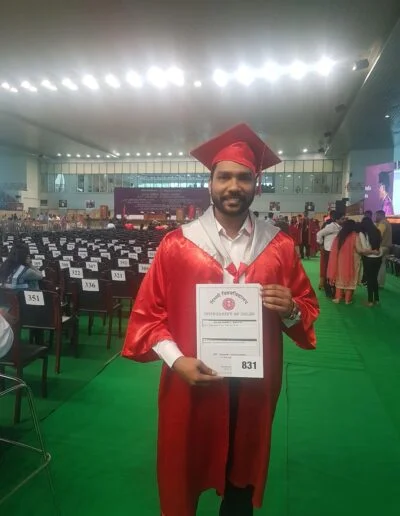
Choosing a heart transplant surgeon is one of the most important decisions a family will ever make. Here’s why patients trust Dr. Saumya Sekhar:
Strong background in minimally invasive and complex cardiothoracic procedures
Holistic management that focuses on long-term quality of life, including rehabilitation, medication management, and lifestyle planning
Collaborative care approach, working closely with critical care, cardiology, and transplant specialists
Track record of excellent post-transplant survival and quality-of-life outcomes
Patient-centric philosophy, ensuring that every decision is customized to a person’s condition, comfort, and goals
Before we wrap up, here are answers to some questions patients commonly ask.
Frequently Asked Questions
1. How do I know if I actually need a heart transplant?
Most people reach this stage only when medicines, devices, or earlier treatments stop helping. Doctors look at your symptoms, test results, and how well your heart is coping day to day before suggesting a transplant.
2. How long does a donor heart usually last?
Many people do really well for 10–15 years or even longer, especially when they stick to their checkups and medication schedule.
3. Can lifestyle changes push the need for a transplant further away?
Many people manage their symptoms for a longer time by:
- Eating better
- Keeping their weight in check
- Quitting smoking
- Staying active
4. Is rejection common after a transplant?
It can happen, which is why anti-rejection medicines and regular follow-ups are so important. These steps help the new heart settle in and keep things under control.
5. When can patients return to normal activities?
Most people ease into light activities within a few weeks. Getting back to everyday life happens slowly, depending on how the recovery is going and how the body adjusts to the new heart.