Lung Surgery in Thane

Lung conditions such as lung cancer, COPD, pulmonary embolism, and chronic infections can significantly impair lung function and overall health. In many cases, surgical intervention may be required when other treatments are no longer effective. Lung surgery can be life-saving, especially in cases of advanced lung disease or cancer.
According to Dr. Saumya Sekhar Jenasamant, an eminent cardiac surgeon in Thane, with immense expertise in cardiothoracic surgeries, “Lung surgery is an important modality of treatment for advanced disorders of the lungs. It not only helps in removing the damaged tissue of the lungs but also offers an opportunity for the patient to return to normal lung function and hence an improved quality of life after treatment.”
Dr. Saumya Sekhar is one of the most preferred experts for lung surgery in Thane. He has more than a decade of experience in complex lung surgeries. He provides evidence-based advanced treatments for lung cancer, thoracic diseases and lung transplants. His expertise ensures each patient receives the highest level of care, with minimized risk and faster recovery, helping them return to their daily activities quickly.
Are you developing troubling symptoms in your lungs? Let’s explore some signs that would call for professional advice.
Google Reviews
If you’re wondering what the journey actually feels like for patients, the best insights come from those who’ve been through it themselves. Sometimes, patient experiences offer the reassurance facts alone cannot.
Key Warning Signs of Lung Problems
Common warning signs of lung problems include:

Persistent Cough
A cough that lasts longer than a few weeks.
Shortness of Breath
Difficulty breathing, especially during physical activities.
Chest Pain
Unexplained pain or discomfort in the chest, especially when breathing deeply.
Wheezing
A high-pitched sound when breathing, often a sign of narrowing airways.
Coughing Up Blood
This can be a serious sign of lung disease or cancer.
Fatigue
Unusual tiredness and weakness, even with rest.
If you experience any of these symptoms, it’s important to seek medical attention as soon as possible.
Curious to know the types of lung surgeries available? Let’s dive into the most common procedures.
Types of Lung Surgery
Dr. Saumya performs various kinds of lung surgery in Thane, depending on the condition and is adept in the following procedures:
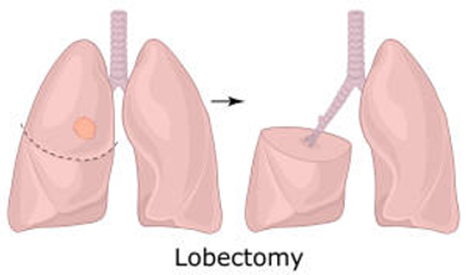
Lobectomy
A removal of one lobe from the lung, generally because of lung cancer or any other lung disease.
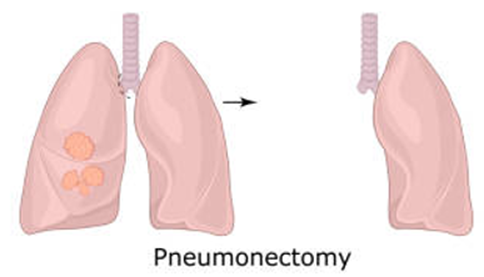
Pneumonectomy
Removing an entire lung, usually performed as a last resort for cases such as advanced lung cancer or severe damage.

Wedge Resection
A technique involving the excision of a small wedge of the organ, commonly employed for the removal of tumors or abnormal masses.
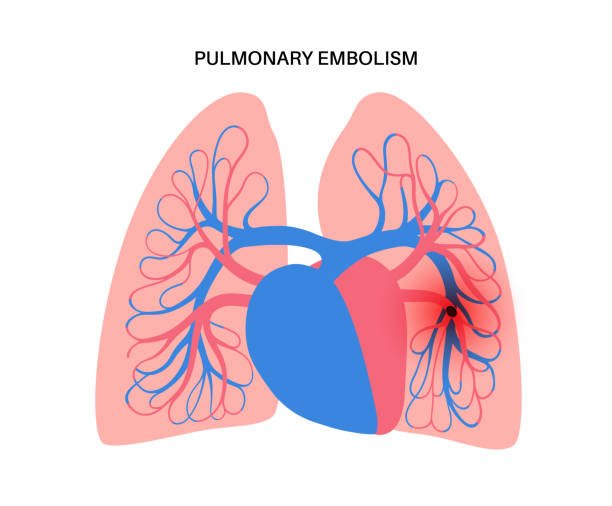
Pulmonary Endarterectomy
A surgery to remove blood clots from the lungs in cases of chronic thromboembolic pulmonary hypertension (CTEPH).
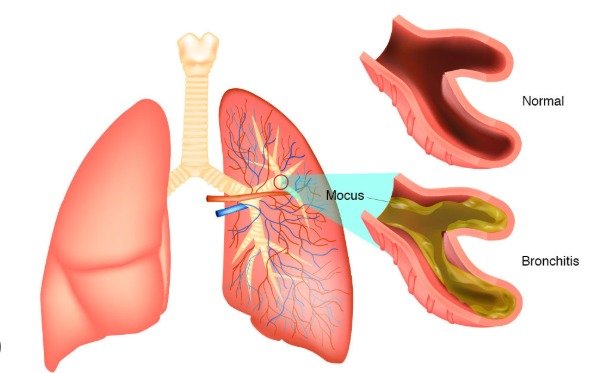
Decortication
The removal of the thickened pleura (lining of the lung), which can be caused by conditions like pleuritis or fibrosis.

Bronchial Resection
Taking out part of the bronchus (airway) to treat cancer or conditions that block air passage.
Having trouble with a lung condition? Get in touch with a seasoned specialist today to determine the best treatment for you.
Wondering what to expect during lung surgery? Let’s break down the procedure step by step.
Lung Surgery Procedure

Anesthesia
General anesthesia is administered in order to make the patient feel comfortable and pain-free.
Incision
An incision is made on the chest and access is gained to the area of the lungs.
Surgical Procedure
The necessary portion of the lung will be excised or repaired, depending on the type of surgery.
Closing the Incisions
After the surgery, the incision is closed and the patient is moved to the recovery room.
“Minimally invasive procedures involve smaller incisions and advanced cameras or robotic assistance, which can significantly reduce recovery time and scarring,” explains Dr. Saumya Sekhar Jenasamant, a well-known cardiac surgeon in Thane.
This approach allows for precise surgery with fewer complications and faster healing.
How long does it take to recover from lung surgery? Let’s discuss what you can expect during your recovery.
Recovery and Aftercare
Hospital Stay: Most patients stay in the hospital for 3-7 days, depending on the procedure.
Pain Management: Pain is managed with medications to ensure a comfortable recovery.
Gradual Return to Activity: Patients can resume normal activities within 4-6 weeks, depending on the surgery type.
Follow-Up Care: Regular check-ups are scheduled to monitor healing and lung function.
Dr. Saumya provides comprehensive aftercare instructions to ensure a smooth recovery process.
Why Choose Dr. Saumya Sekhar for Lung Surgery in Thane
Choosing the right surgeon shapes the entire treatment experience. Here’s what makes Dr. Saumya Sekhar stand out:

Extensive Experience
With over 10 years of experience, Dr. Saumya Sekhar Jenasamant is a leading cardiac surgeon in Thane specializing in complex lung surgeries.
Minimally Invasive Techniques
He uses minimally invasive surgery techniques, which result in smaller incisions, less pain, and faster recovery times.
Comprehensive Care
Dr. Saumya provides personalized treatment plans tailored to each patient’s needs, ensuring the best possible outcomes.
Advanced Surgical Options
He is skilled in performing advanced lung surgeries, including lobectomy, pneumonectomy, and pulmonary endarterectomy, offering cutting-edge treatments for various lung conditions.
Proven Success
With a strong track record of successful surgeries, Dr. Saumya has helped numerous patients regain lung function and improve their quality of life.
Patient-Centered Approach
Dr. Saumya is dedicated to providing compassionate care, ensuring patients are well-informed and comfortable throughout the surgical process.
Looking for expert care? Visit an experienced professional today and get personalized treatment for your lung condition.
Frequently Asked Questions
1. What are the signs that I need lung surgery?
Signs that you may need lung surgery include persistent cough, chest pain, difficulty breathing, and coughing up blood. If these symptoms occur, seek medical evaluation promptly.
2. Can I have lung surgery if I’m not a smoker?
Yes, lung surgery can be necessary for non-smokers as well, especially in cases of lung cancer, chronic lung infections, or pulmonary embolism.
3. What happens if I can’t undergo lung surgery?
For patients who cannot undergo surgery, alternative treatments like radiation or chemotherapy may be explored.
4. Will I need a chest tube after surgery?
A chest tube may be inserted to drain fluid and air from the chest after surgery, especially for pneumonectomy or lobectomy.
5. How soon will I be able to breathe normally again after surgery?
Breathing will gradually improve as you heal, but full recovery can take 4-6 weeks.
6. Can lung surgery cure emphysema or COPD?
Lung surgery, such as lung volume reduction surgery, can help patients with COPD and emphysema by removing damaged tissue, improving lung function.
7. Is there a risk of lung collapse after surgery?
Lung collapse (pneumothorax) is a possible complication, but it is rare and can usually be treated promptly.